




26-05-2026
Voice Recorder vs Dictaphone for Modern Productivity

Many people still use the terms “voice recorder” and “dictaphone” interchangeably. However, modern recording technology has changed dramatically over the past few years, especially with the rise of AI note takers, AI voice recorders, and wearable AI recorders.
Today’s users no longer want devices that simply store audio files. They want tools that can:
- transcribe conversations
- generate AI summaries
- organize meeting notes
- improve productivity workflows
- securely manage sensitive information
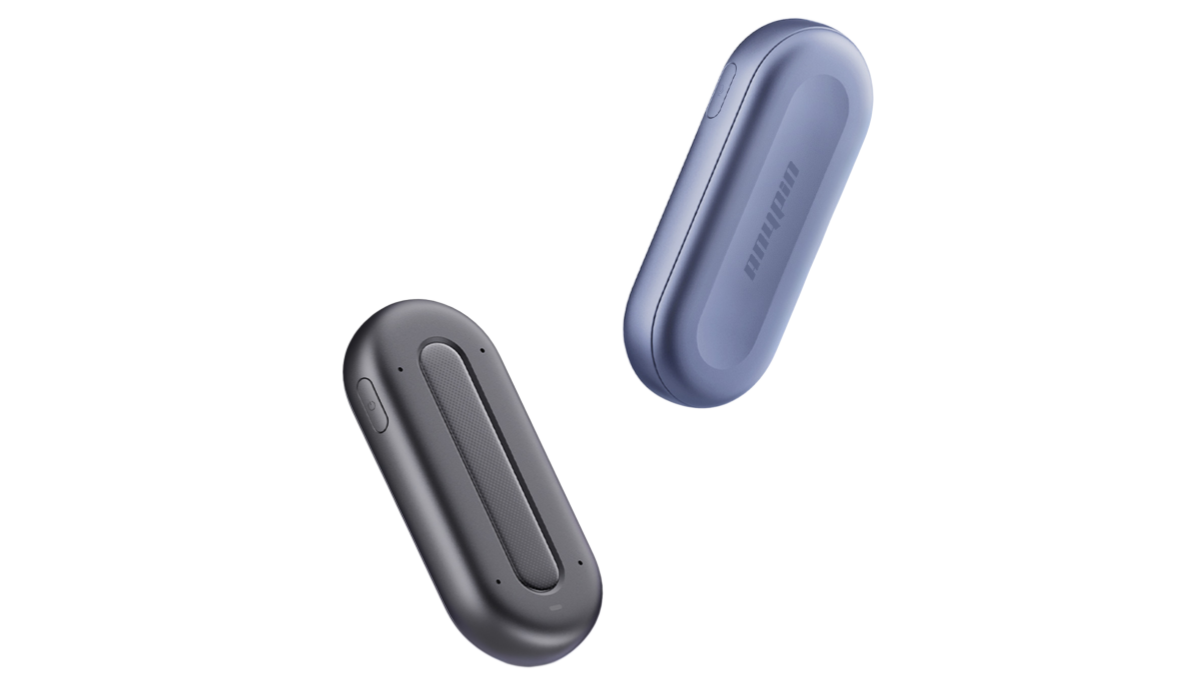
As searches for ai recorder, ai voice recorder for meetings, and ai note taker for lectures continue growing, understanding the difference between traditional dictation devices and modern AI-powered recorders becomes increasingly important.The Anypin Note Pod P1 represents this new generation of AI productivity tools designed for meetings, lectures, interviews, and everyday workflow management.
What Is a Dictaphone?
Originally, “Dictaphone” referred to a brand of dictation machines commonly used in offices, journalism, and legal environments.


Over time, the word became widely associated with traditional voice dictation devices designed mainly for:
- recording spoken notes
- office transcription workflows
- verbal memos
- administrative dictation
Traditional dictaphones focused primarily on audio capture rather than intelligent organization.
Most older dictation devices:
- stored recordings locally
- required manual playback
- depended on human transcription
- offered limited search functionality
While useful at the time, these systems were built for a very different productivity era.
What Is a Modern AI Voice Recorder?
Modern AI voice recorders go far beyond basic audio recording.
Instead of simply storing sound files, today’s AI note takers can:
- generate real-time transcripts
- summarize conversations automatically
- identify speakers
- create searchable notes
- organize meeting content
- support cloud synchronization
This shift transforms recordings into usable knowledge rather than passive audio archives.
Modern wearable AI recorders are especially popular among:
- professionals
- students
- consultants
- journalists
- researchers
- remote workers
because they help reduce manual note-taking and improve productivity..
Voice Recorder vs Dictaphone: Key Differences
Although both devices capture audio, their workflows and capabilities are very different.
Feature | Traditional Dictaphone | Modern AI Voice Recorder |
|---|---|---|
Audio recording | Yes | Cell text |
AI transcription | No | Cell text |
AI summaries | No | Cell text |
Searchable transcripts | No | Yes |
Speaker recognition | No | Yes |
Cloud synchronization | Limited | Yes |
Workflow automation. | Minimal | Advanced |
Wearable portability | Limited | Common |
Data security features | Basic | Advanced |
Modern users increasingly prefer AI-powered systems because they reduce repetitive administrative work and improve information management.
Why AI Voice Recorders Are Replacing Traditional Dictation Devices
The way people work has changed significantly.
Today’s workflows involve:
- remote meetings
- hybrid collaboration
- online lectures
- fast-moving discussions
- mobile productivity
- multitasking environments
Traditional dictation devices were not designed for these modern workflows.
AI-powered recording systems are becoming more popular because they help users:
- capture conversations faster
- organize information automatically
- review notes more efficiently
- reduce manual documentation
- improve collaboration
For many users, AI note-taking tools are now productivity systems rather than simple recording devices.
Why Wearable AI Recorders Are Becoming More Popular
One of the biggest trends in the recording industry is the rise of the wearable AI recorder category.
Users increasingly want:
- lightweight devices
- hands-free recording
- discreet workflows
- mobile productivity
- quick recording access
Compared to traditional dictaphones, wearable AI devices fit more naturally into:
- meetings
- classrooms
- interviews
- coworking spaces
- travel environments
The wearable design of the Anypin Note Pod P1 helps support modern productivity workflows without interrupting conversations.
Best Use Cases for Modern AI Note Takers
Modern AI note takers are now used across many industries and workflows.
Meetings
Professionals use AI voice recorders for meetings to:
- capture discussions
- organize action items
- summarize conversation
- improve follow-up workflows
Lectures
Professionals use AI voice recorders for meetings to:
- reduce note-taking pressure
- create searchable study materials
- review lessons faster
Remote Work
Remote teams use AI note-taking tools to:
- summarize virtual meetings
- improve asynchronous collaboration
- organize project discussions
Data Security: Why Modern AI Recorders Need Strong Privacy Protection
As AI recording tools become more powerful, privacy and security are becoming increasingly important.
Traditional dictaphones were usually standalone offline devices. Modern AI note takers often involve:
- cloud synchronization
- AI processing
- discreet workflows
- searchable transcript management
- multi-device workflows
This creates additional security considerations.
Users increasingly search for:
- secure ai note taker
- encrypted ai recorder
- private AI meeting recorder
- secure AI transcription tools
because recordings often contain:
- confidential meetings
- client discussions
- research interviews
- sensitive business information
Why Data Full Protection Matters
Modern AI productivity tools need stronger security frameworks to protect user information throughout the recording workflow.
The Anypin Note Pod P1 emphasizes Data Full Protection with compliance support for:
- ISO/IEC 27001
- ISO/IEC 27701
- ISO/IEC 20000
- ISO 56001
- SOC 2
These standards help support:
- secure data management
- privacy-focused workflows
- encrypted information handling
- reliable system operations
As AI productivity tools become more integrated into work and education, security is becoming one of the most important buying factors.
Modern productivity workflows increasingly follow a simple AI-powered process:
Record
Capture conversations instantly during meetings, lectures, or interviews.
Transcribe
Convert audio into searchable text automatically.
Summarize
Generate AI-powered key points and action items.
Organize
Access and manage notes more efficiently across devices.This workflow is one reason modern AI recorders are replacing traditional dictation systems across many industries.
Which Is Better: Dictaphone or AI Voice Recorder?
For users who only need simple offline audio recording, traditional dictation devices may still work.
However, for users who need:
- ISO/IEC 27001
- ISO/IEC 27701
- ISO/IEC 20000
- ISO 56001
- SOC 2
These standards help support:
- secure data management
- privacy-focused workflows
- encrypted information handling
- reliable system operations
As AI productivity tools become more integrated into work and education, security is becoming one of the most important buying factors.
Modern productivity workflows increasingly follow a simple AI-powered process:
Record
Capture conversations instantly during meetings, lectures, or interviews.
Transcribe
Convert audio into searchable text automatically.
Summarize
Generate AI-powered key points and action items.
Organize
Access and manage notes more efficiently across devices.This workflow is one reason modern AI recorders are replacing traditional dictation systems across many industries.
Why Data Full Protection Matters
Modern AI productivity tools need stronger security frameworks to protect user information throughout the recording workflow.
The Anypin Note Pod P1 emphasizes Data Full Protection with compliance support for:
- searchable notes
- AI transcription
- workflow automation
- meeting summaries
- lecture organization
- productivity optimization
- secure cloud workflows
modern AI voice recorders provide significantly more functionality.As work and education continue becoming more information-heavy, AI-powered note-taking systems are increasingly becoming essential productivity tools rather than optional accessories.For users looking for wearable portability, intelligent transcription, and strong Data Full Protection, the Anypin Note Pod P1 represents the next generation of AI-powered recording technology.
FAQ
What is the difference between a dictaphone and a voice recorder?
A traditional dictaphone mainly records audio for manual playback and transcription, while modern AI voice recorders can also generate transcripts, summaries, searchable notes, and workflow automation.
Are AI voice recorders better than traditional dictaphones?
For productivity-focused workflows such as meetings, lectures, and interviews, AI voice recorders usually provide more advanced functionality and organization features.
What is a wearable AI recorder?
A wearable AI recorder is a compact device designed for hands-free audio recording and AI-powered transcription, often used for meetings, lectures, and mobile productivity.
Why are AI note takers becoming popular?
AI note takers help users reduce manual note-taking, organize information more efficiently, and improve productivity across meetings, lectures, and remote work.
Is data security important for AI note takers?
Yes. AI note takers often handle sensitive conversations, making secure storage, encrypted workflows, and privacy protection increasingly important.
What security standards does the Anypin Note Pod P1 support?
The Anypin Note Pod P1 supports compliance with ISO/IEC 27001, ISO/IEC 27701, ISO/IEC 20000, ISO 56001, and SOC 2.
Can AI note takers generate meeting summaries automatically?
Yes. Many modern AI note takers can automatically generate summaries, transcripts, and action items from recorded conversations.



